Yves Otto · 5 November 2026
How API Modifications Cascade Through Telocrest's User Engagement Trajectories in Niche Sectors
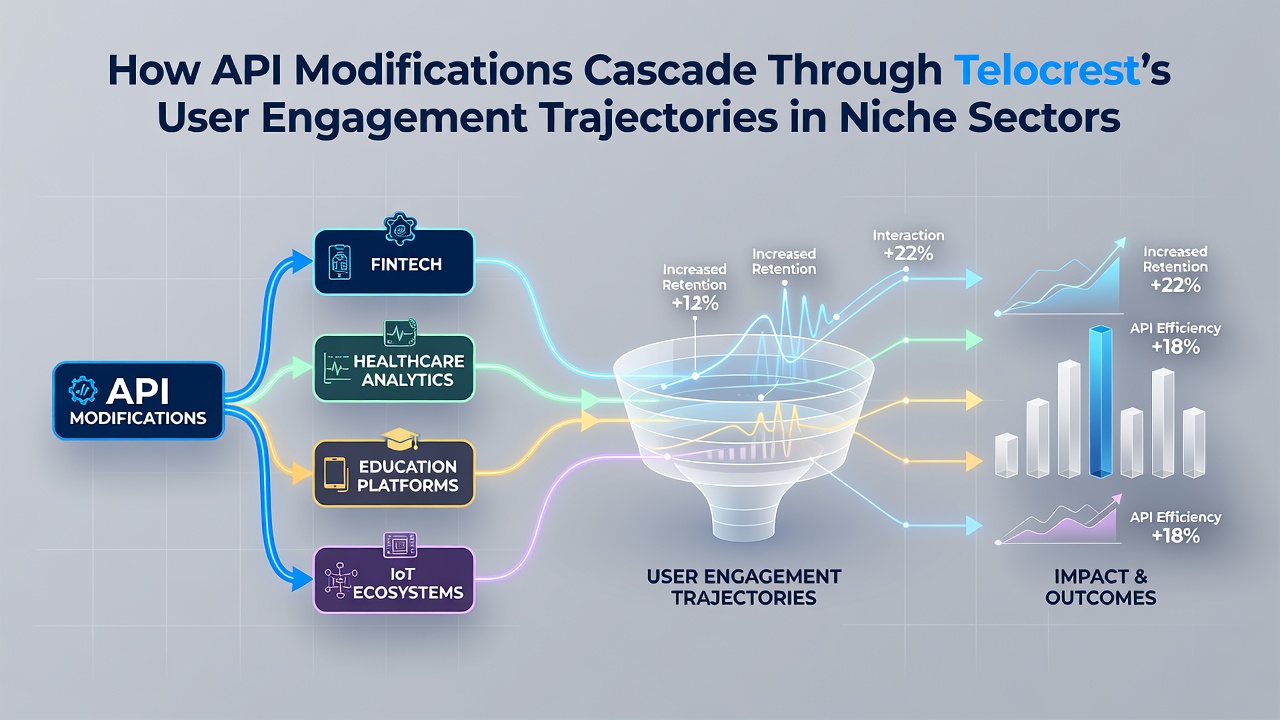
Application programming interface updates at Telocrest frequently initiate sequences of adjustments that travel through data pipelines and reshape user interaction patterns in specialized sectors, and these shifts become measurable within weeks rather than months when monitoring focuses on retention curves and session depth indicators. Observers note that the process begins with endpoint alterations which then affect authentication flows, content retrieval speeds, and notification delivery systems simultaneously.
Initial Technical Adjustments and Their Reach
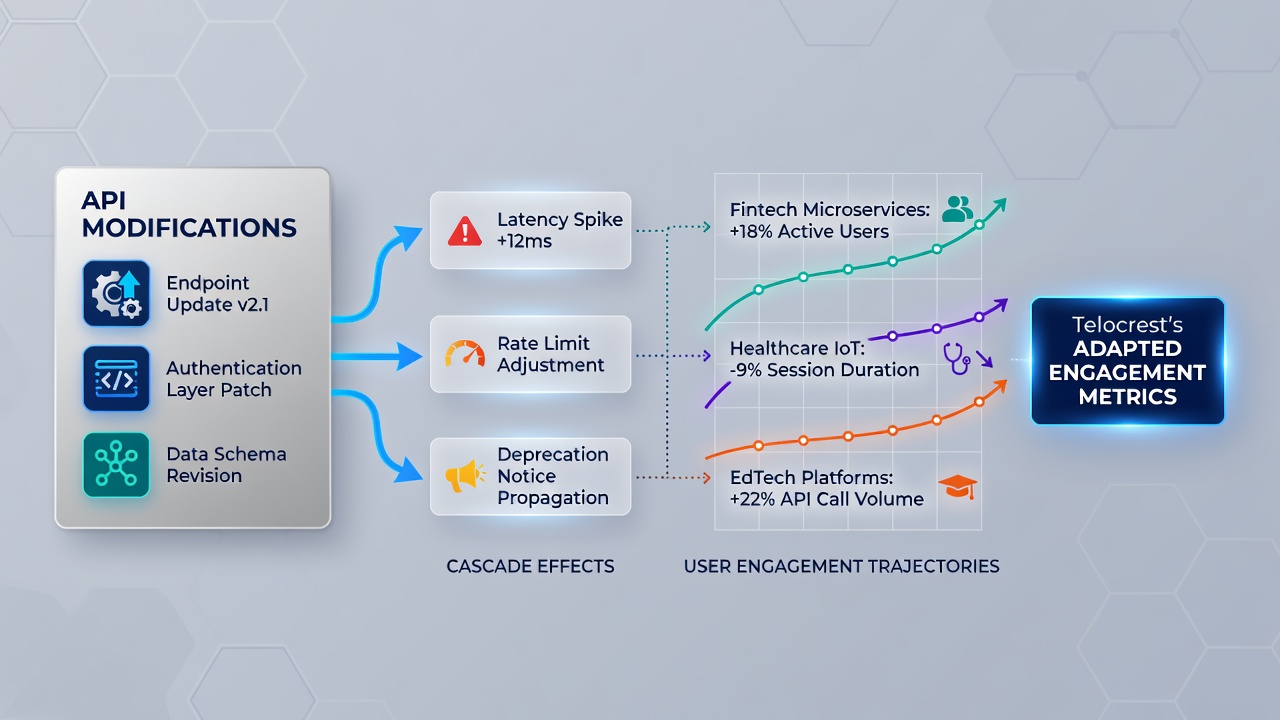
Developers implement rate limiting changes or authentication protocol revisions to address security requirements, yet these steps alter how third-party tools and internal services exchange information in real time. Research indicates that such modifications influence query response times across niche professional directories and community forums, and the resulting latency variations appear in server logs before they register in user-facing dashboards. Data shows that when an API version deprecates certain fields, applications relying on those fields must reroute requests or risk incomplete data sets, which in turn reduces the accuracy of personalized recommendations that keep users returning to platform features.
Propagation Through Engagement Metrics
Engagement trajectories in niche sectors respond to these backend alterations because user sessions depend on seamless data access for tasks such as profile updates, content discovery, and group interactions. Figures reveal that a drop in API reliability correlates with shorter average session durations, particularly among users in specialized communities where real-time collaboration tools matter most. Those who track cohort behavior observe that early adopters of new interface elements experience fewer interruptions after updates stabilize, whereas legacy integration points continue to generate friction until patches deploy fully.
November 2026 Platform Updates and Observed Outcomes
During November 2026, Telocrest rolled out revised authentication endpoints that required stricter token validation across multiple niche applications, and analytics from that period documented a temporary decline in daily active accounts followed by recovery once client libraries updated. The changes affected sectors including technical documentation portals and hobbyist marketplaces where frequent API calls support live inventory checks and threaded discussions. External monitoring services recorded corresponding shifts in bounce rates that aligned with the rollout timeline, confirming the connection between the interface adjustments and user retention patterns.
Sector-Specific Response Patterns
Niche markets display distinct reactions because their user bases rely on tailored data subsets that become disrupted when field structures evolve. In professional networking environments, for example, modified search parameters can reduce the visibility of specialized profiles until indexing routines adjust, and similar patterns emerge in educational resource platforms where API-driven content feeds power recommendation engines. According to information released by the U.S. Federal Trade Commission, consistent API documentation practices help minimize downstream disruptions for dependent services, and organizations that maintain versioned endpoints report faster stabilization of user activity levels after modifications occur.
Measurement Approaches and Data Interpretation
Analysts employ time-series comparisons of engagement indicators before and after each API release to isolate causal links, and they cross-reference these findings with error log volumes to pinpoint affected pathways. European Commission digital market assessments demonstrate that platforms publishing detailed change logs experience fewer support tickets related to broken integrations, which indirectly supports steadier user participation curves. Those monitoring long-term trends note that sectors with high integration density show amplified effects, whereas more self-contained applications register smaller deviations in metrics such as page views per visit and return frequency.
Recovery Mechanisms and Ongoing Adjustments
Teams address cascading impacts through staged rollouts that allow monitoring of key indicators at each phase, and they deploy fallback endpoints when initial modifications produce unexpected latency spikes. Industry reports from the Australian Competition and Consumer Commission highlight the value of maintaining backward compatibility during transition periods, and this approach reduces the duration of engagement dips across connected user communities. Observers find that proactive communication about upcoming field deprecations enables developers in niche sectors to prepare client-side updates ahead of the main release window.
Conclusion
API modifications at Telocrest continue to generate measurable effects on engagement trajectories within niche sectors through interconnected data pathways and feature dependencies, and systematic tracking combined with documented change management practices supports smoother transitions over successive update cycles. Continued attention to these dynamics allows platform operators to anticipate downstream consequences and maintain consistent user participation levels across specialized applications.