Clara Albrecht · 19 November 2026
Following the Trail of User Interaction Data Through Multi-Layered Platform Connections
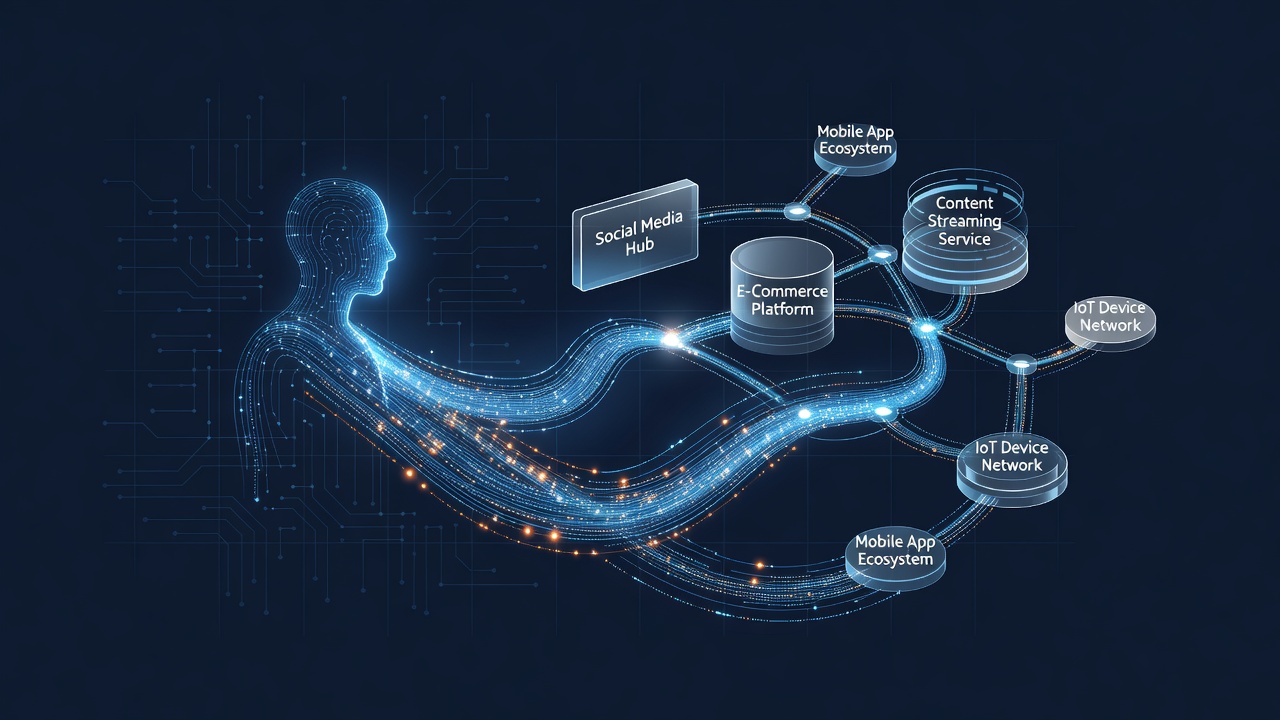
Platforms collect user interaction data at every click, scroll, and session start, then route those signals through successive layers that include front-end interfaces, backend servers, analytics engines, and third-party integrations. Observers note that each layer adds its own processing rules, identifiers, and storage protocols, which means a single user action can generate multiple distinct data fragments before it reaches its final destination. Researchers have mapped these paths in enterprise environments where content management systems feed directly into customer relationship platforms, and those platforms in turn connect to advertising networks and measurement tools.
Layered Architecture and Data Movement
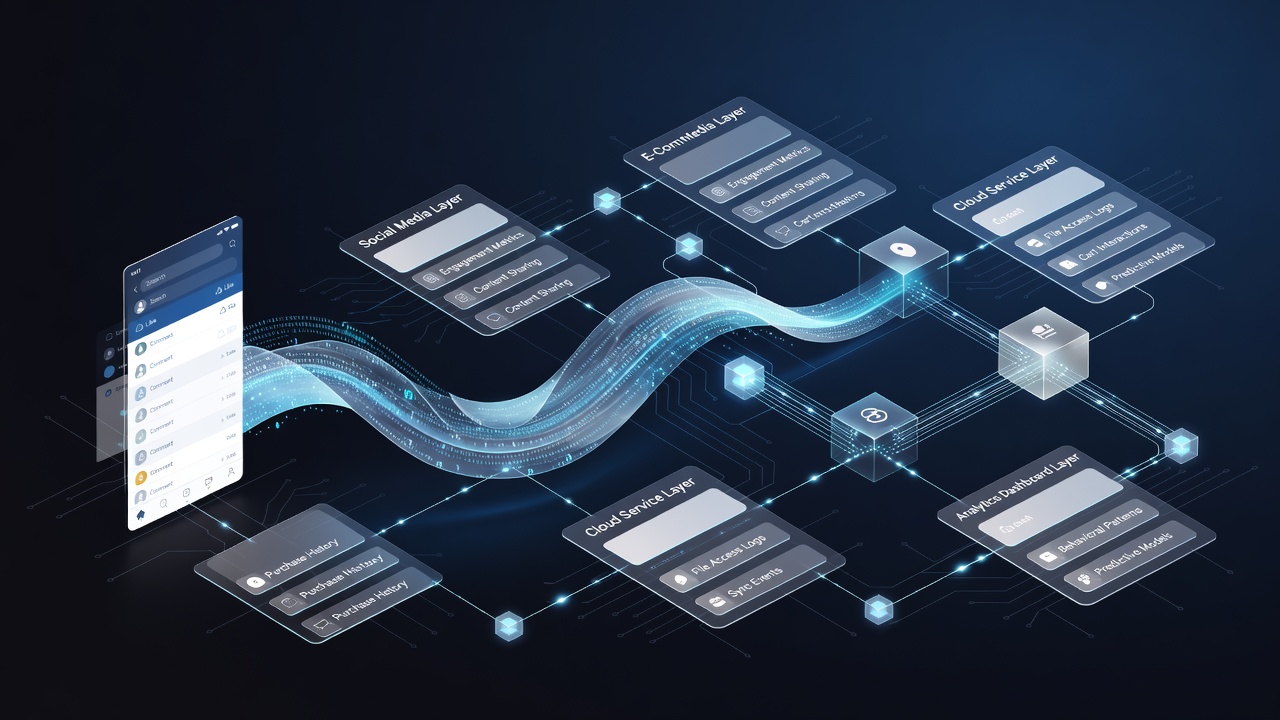
Modern digital ecosystems rely on stacked components that handle different aspects of the user journey, starting with the device level where operating systems log touch events and sensor inputs. These raw signals move upward through application programming interfaces that standardize the information before it enters cloud-based services, and the same data may pass through content delivery networks that record geographic and timing details along the way. Studies from academic institutions show that each transfer point can append metadata such as session tokens, device fingerprints, and consent flags, creating a growing record that later systems must reconcile.
November 2026 marks the scheduled rollout of updated interoperability guidelines from the Australian Competition and Consumer Commission, which aim to clarify how platforms must document these handoffs when user data crosses organizational boundaries. Compliance teams have begun testing logging frameworks that tag each data packet with its originating layer and destination endpoint so auditors can reconstruct full trajectories months after the initial interaction occurred.
Tracking Mechanisms Across Connections
Unique identifiers travel with the data as it moves between layers, yet these identifiers often change format depending on the receiving system. A cookie value generated on a website might convert into a hashed email address when it reaches a marketing automation tool, while the same interaction record appears as an anonymized event ID inside an analytics dashboard. Data indicates that organizations using multiple advertising partners must maintain mapping tables that translate between these identifier schemes, otherwise attribution reports lose accuracy when users engage across more than one surface.
One research project conducted at a Canadian university examined a mid-sized e-commerce site that connected its checkout system to three separate payment processors and two review platforms. The team found that 37 percent of interaction events lost their original user linkage after passing through the second integration layer because timestamp drift and identifier truncation occurred during the transfer. Engineers addressed the issue by inserting a central event bus that preserved a canonical identifier while still allowing each downstream system to apply its own formatting rules.
Reconciliation and Storage Practices
Storage locations multiply as data travels deeper into the stack. Front-end logs may reside in short-term browser caches, while aggregated metrics land in long-term data warehouses that apply compression and partitioning schemes. Observers note that privacy regulations in multiple jurisdictions now require organizations to maintain deletion schedules that respect the shortest retention period across all connected systems. When one downstream partner deletes records, upstream systems must receive confirmation so they can update their own indexes accordingly.
Those who manage large-scale platforms report that query performance degrades once the number of connected layers exceeds four or five, because each additional hop increases the complexity of joining datasets that use different schemas. Solutions include maintaining a unified data model at the integration layer and pushing transformed copies to each destination rather than attempting to query across live connections in real time.
Impact on Visibility and Measurement
Search and recommendation engines that rely on behavioral signals receive only the fragments that survive the full journey through multiple platforms. When a social network shares interaction data with an analytics provider that then forwards summarized metrics to a search console, the original sequence of user actions becomes harder to reconstruct. Figures from industry reports reveal that sites experiencing frequent platform migrations see temporary drops in reported engagement metrics until mapping rules stabilize and historical data can be reprocessed under the new identifier framework.
Yet the same layered structure also enables granular testing. Teams can isolate the effect of a single integration by comparing metrics before and after a change while holding other layers constant. This approach has helped several organizations identify which partner connection introduced the largest latency or the highest rate of dropped events.
Conclusion
Following user interaction data through multi-layered platform connections requires systematic logging, identifier mapping, and coordinated retention policies. As new interoperability rules take effect in late 2026, organizations continue to refine the technical controls that preserve data lineage while satisfying both operational and regulatory demands. The result is a clearer picture of how each layer contributes to the final record that drives measurement, personalization, and compliance reporting.