Eden Lehmann · 24 September 2026
Decoding Competitor Benchmarking Layers Within Dynamic Search Ecosystems
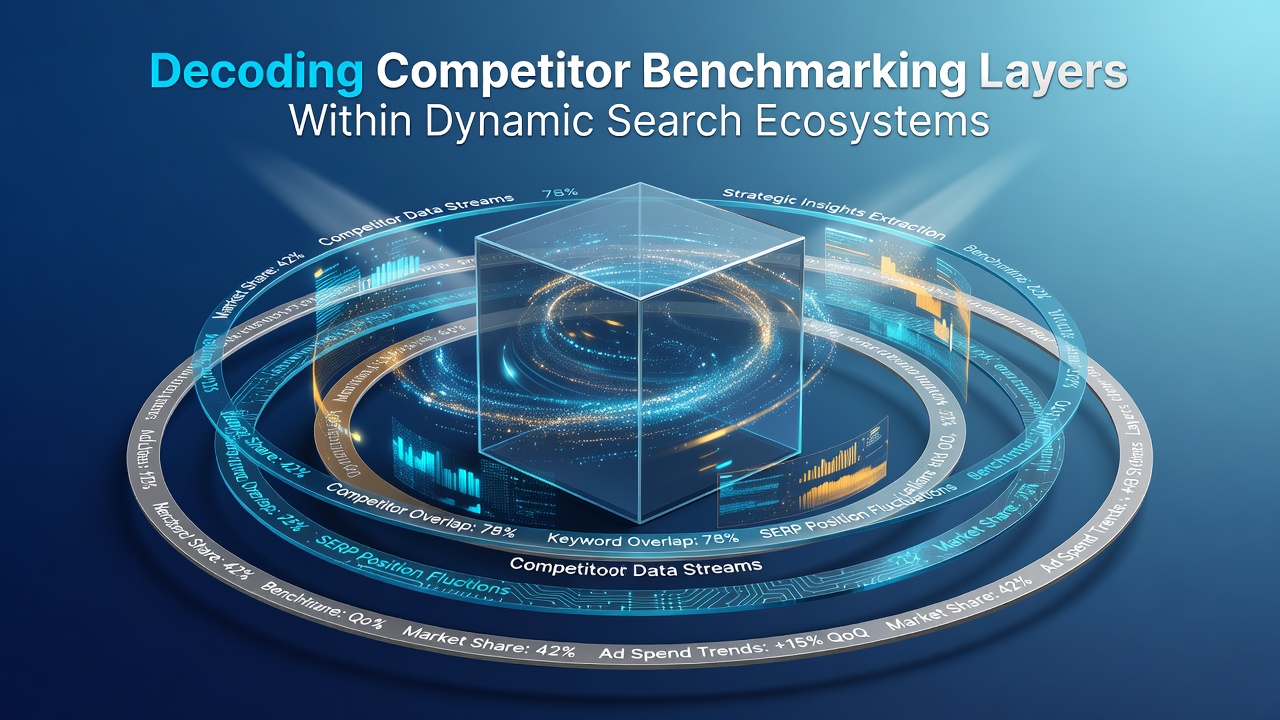
Competitor benchmarking in search environments involves systematic analysis of multiple data layers that shift as algorithms incorporate user behavior signals, personalization factors, and machine learning adjustments. Researchers track these layers through keyword performance metrics, backlink profiles, content freshness indicators, and technical site attributes while accounting for variations across different regions and device types.
Core Components of Search Ecosystem Benchmarking
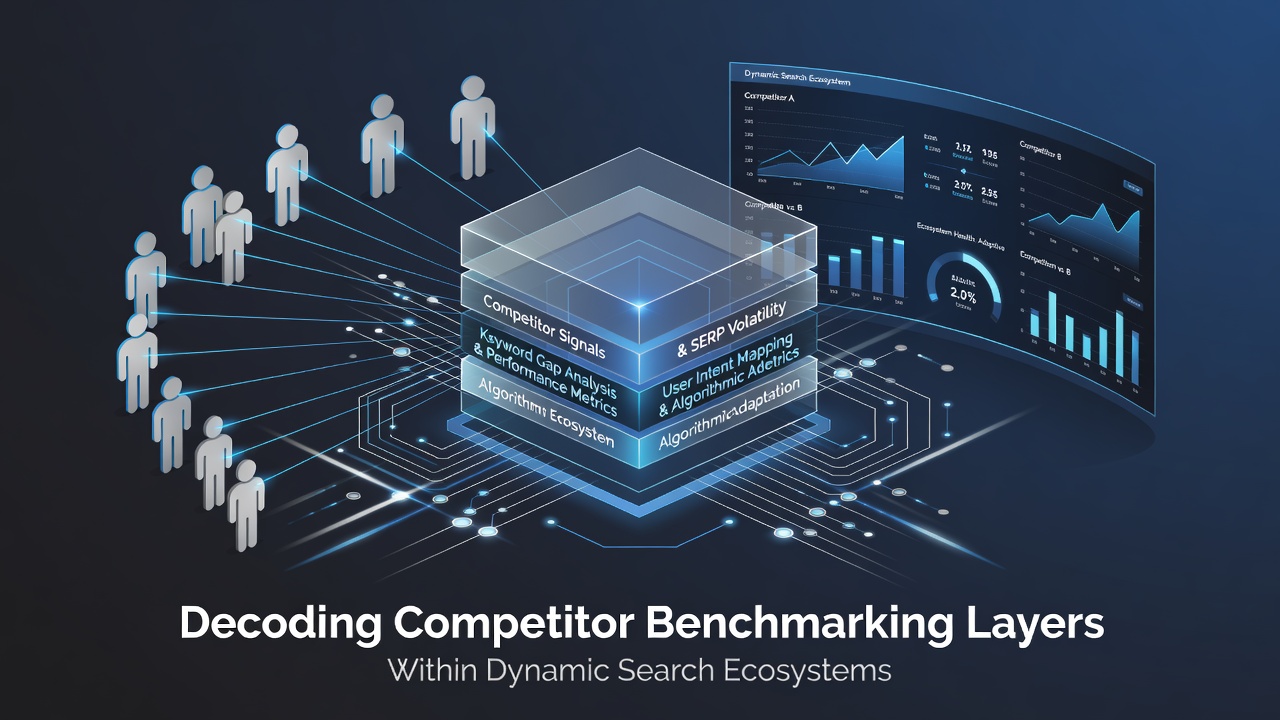
One observes that the foundational layer centers on keyword competition where entities compare search volume data against ranking difficulty scores derived from historical performance patterns. This process extends into content evaluation where specialists examine topic coverage depth, semantic relevance markers, and update frequency across competing domains. Technical layers add another dimension through page speed measurements, structured data implementation rates, and mobile optimization scores that influence visibility in localized results.
Dynamic elements introduce complexity because search platforms adjust rankings based on real-time signals including dwell time, click-through patterns, and cross-device consistency. Observers note that these adjustments create moving targets where static comparisons lose relevance quickly, prompting the need for continuous monitoring frameworks that capture fluctuations over weeks rather than single snapshots.
Integration of Personalization and Regional Factors
Personalization layers require separate tracking since results vary by user location, search history, and account status. Data from multiple sources indicates that entities conducting benchmarks often segment their analysis by geographic clusters to isolate patterns that apply across broader markets. In September 2026, enhancements to location-based ranking signals are projected to expand these variations further, affecting how organizations interpret competitor positioning within specific territories.
Studies from research institutions have examined how voice search and conversational query formats alter traditional benchmarking approaches, shifting focus toward intent matching accuracy rather than exact phrase optimization. Those analyzing these shifts report increased emphasis on entity recognition systems that connect brand mentions across different content formats and external platforms.
Tools and Methodologies for Layer Analysis
Specialized platforms aggregate information from multiple channels while applying filters that account for seasonal trends and algorithm testing periods. Analysts cross-reference outputs from these systems against raw server logs and analytics platform exports to validate accuracy. The approach reveals discrepancies that arise when tools rely on sampled data rather than comprehensive crawls of competitor sites.
Academic examinations of search dynamics, including work from institutions tracking digital market structures, highlight the value of longitudinal studies that span multiple quarters. Such research tracks how changes in one layer, such as authority signal adjustments, cascade into others like content visibility and user engagement rates. Entities applying these insights develop layered dashboards that update at different intervals depending on signal volatility.
Case Examples in Practice
One documented instance involved a retail sector analysis where teams compared mobile versus desktop performance layers across leading competitors, uncovering gaps in image optimization that correlated with visibility drops during peak traffic periods. Another examination focused on news domains revealed how freshness indicators interacted with social signal integration, producing temporary ranking advantages that dissipated within days.
Regulatory bodies such as the Federal Trade Commission have reviewed competitive practices in digital advertising ecosystems, providing context on how data access influences benchmarking capabilities. Similar oversight from the Australian Competition and Consumer Commission examines market concentration effects on smaller entities attempting to match established players in search visibility.
Conclusion
Effective decoding of these benchmarking layers depends on integrating multiple data streams while recognizing that search ecosystems continue evolving through ongoing platform updates and user behavior shifts. Organizations maintain relevance by establishing repeatable processes that revisit each layer at appropriate frequencies, adjusting methodologies as new signal types emerge in the landscape.