Eden Lehmann · 8 October 2026
Charting the Interplay of User Behavior Patterns and Platform Integration Choices in Niche Market Visibility
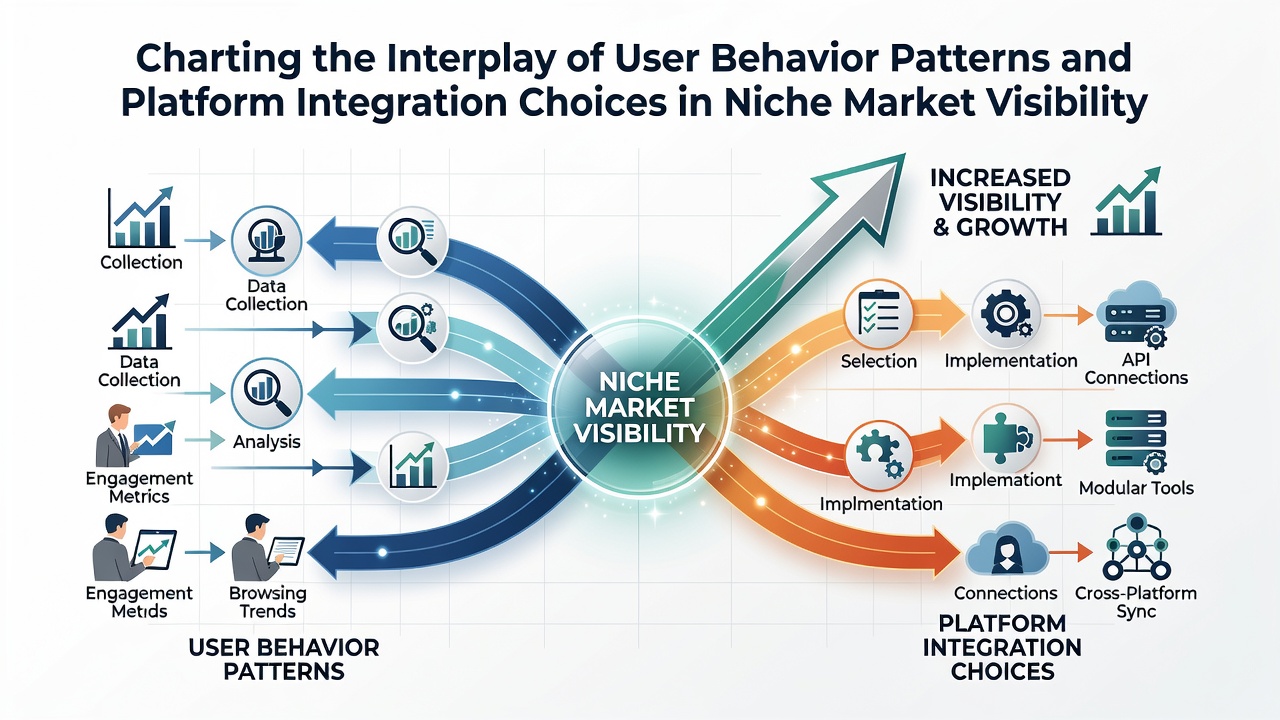
Researchers track user behavior patterns through metrics such as session duration, click-through rates, and content sharing frequency, while platform integration choices involve connecting tools like APIs, analytics suites, and third-party services to core websites or apps. These elements combine to shape how niche markets achieve visibility, especially when audiences cluster around specific interests like vintage watch collecting or sustainable urban gardening. Data from October 2026 shows increased reliance on cross-platform tracking as user sessions fragment across mobile apps, social feeds, and search interfaces.
Mapping Core User Behavior Patterns
Studies indicate that users in niche segments often follow predictable sequences: initial discovery through targeted search queries leads to deeper engagement on specialized forums or review sites, followed by repeated visits when personalized notifications arrive. Observers note that mobile-first behaviors dominate, with figures revealing over 70 percent of niche product research now occurring on handheld devices rather than desktops. Integration choices that sync user data across these touchpoints allow platforms to maintain continuity, reducing drop-off rates when someone switches from a social media discovery to a brand's dedicated community space.
Those who analyze longitudinal datasets find that seasonal spikes in niche interest correlate with external events, such as industry conferences or regulatory announcements, prompting rapid shifts in search volume and content consumption habits. Platform operators respond by embedding real-time analytics that adjust visibility algorithms based on these fluctuations, ensuring that emerging discussions surface quickly within relevant communities.
Platform Integration Choices and Their Mechanics
Businesses select integrations ranging from simple social sharing buttons to complex CRM connections that pull behavioral signals directly into recommendation engines. Evidence suggests successful implementations prioritize APIs that respect user consent frameworks, particularly in regions enforcing strict data rules. The European Commission’s digital markets documentation outlines how such integrations must balance openness with privacy safeguards to avoid visibility penalties for non-compliant setups.
Take one developer team that linked a niche e-commerce site to both a payment processor and a community moderation tool; this combination enabled faster checkout flows while surfacing user-generated reviews in search results. Data shows these layered choices improve dwell time when the platforms communicate seamlessly, allowing behavioral signals like repeat purchases to trigger higher placement in niche directories.
The Interplay in Action Across Niche Segments
Behavior patterns feed directly into integration decisions, creating feedback loops where high engagement on one channel prompts deeper embedding of analytics on another. Researchers discovered that niches with strong community-driven content see greater visibility gains when platforms integrate comment systems with external forums, since user discussions then propagate across multiple surfaces. As of October 2026, tools that aggregate cross-platform signals report measurable lifts in organic reach for hobbyist marketplaces compared to those relying on single-channel tracking.
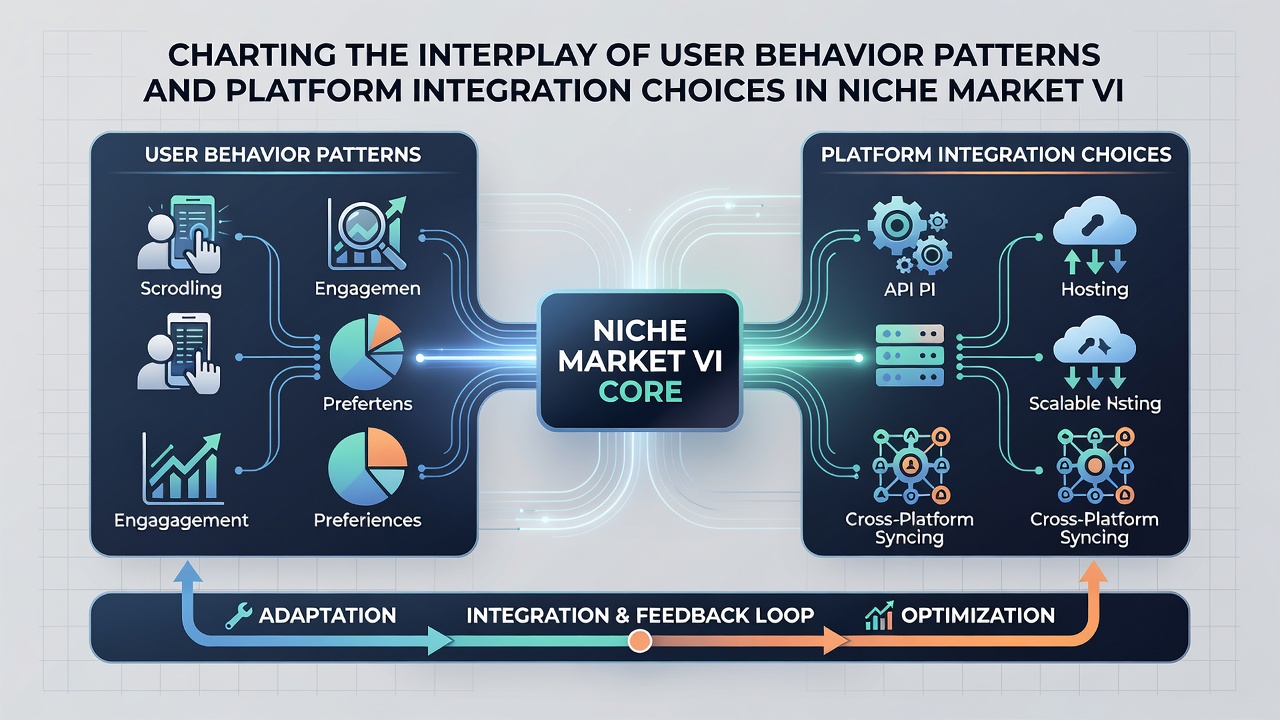
Yet integration without behavioral alignment produces limited results. Observers point to cases where mismatched notification timing led to user fatigue, lowering overall visibility even when technical connections functioned correctly. Those studying these outcomes emphasize testing sequences that match documented user journeys, such as evening browsing peaks for certain hobby categories, before scaling the connections.
Evidence from Recent Analyses
Reports compiled by academic institutions and regulatory bodies reveal consistent correlations between integrated behavioral tracking and improved niche positioning. A Pew Research Center analysis of online community participation highlights how users who receive tailored content across integrated channels return more frequently, boosting algorithmic favor in specialized search environments. Similarly, data released through the Australian Competition and Consumer Commission’s digital platform reviews indicates that marketplaces adopting consent-based integrations maintain steadier visibility metrics amid shifting privacy standards.
Patterns emerge when teams monitor bounce rates alongside integration depth: sites with unified user profiles across social, search, and direct channels experience fewer abrupt exits. This holds true in October 2026 datasets, where fragmented experiences continue to correlate with reduced exposure in niche directories and aggregator sites.
Conclusion
The documented relationship between user behavior patterns and platform integration choices continues to define visibility outcomes in niche markets. Metrics collected across multiple regions demonstrate that thoughtful alignment of these factors supports sustained audience reach while respecting evolving data practices. Continued monitoring of behavioral datasets alongside integration performance offers the clearest path for maintaining relevance within targeted segments.